

Demonstration sites
Large-scale seasonal underground thermal energy storage (UTES) is crucial for decarbonisation, yet it often faces significant challenges like complex construction, maintenance, and high costs. USES4HEAT pushes beyond these hurdles.
Demonstrating at TRL 8 and across over 4000 operational hours USES4HEAT showcases aquifer (ATES) and borehole (BTES) underground seasonal thermal energy storage with enhanced technical and economic performance. Integrated into local district heating networks and industrial waste heat recovery systems, it pioneers advanced drilling techniques, cutting construction costs and time by 50%. Moreover, it introduces innovative layered piping solutions for BTES, ensuring longevity and maximising energy density while minimizing storage costs.

Two highly innovative demonstration sites:
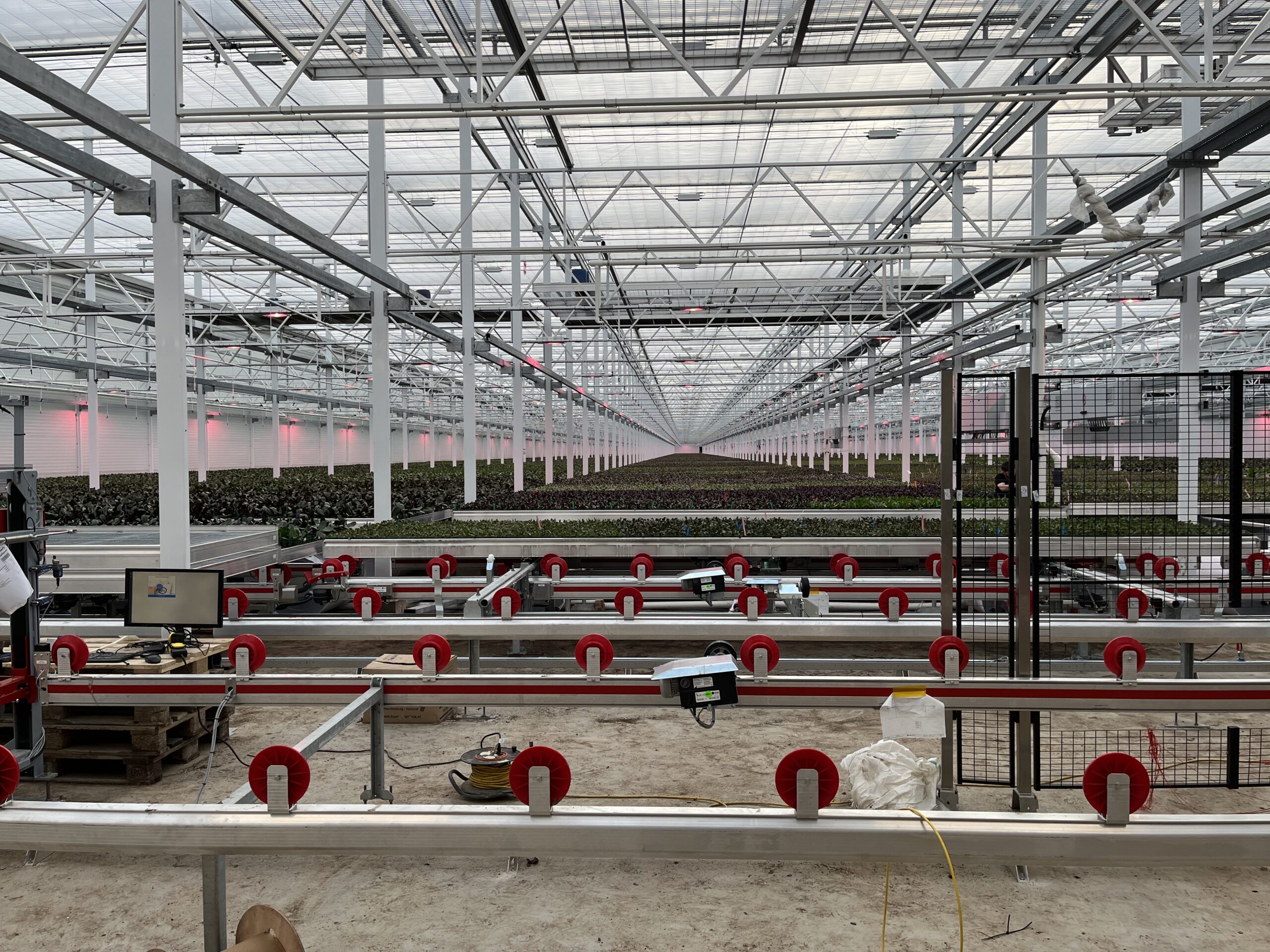
Andel, the Netherlands
Andel is a village of approximately 2,500 inhabitants in Noord-Brabant, the southern Netherlands. The region is an important food-production hub, combining open-field agriculture with greenhouses for food crops and ornamental plants, while promoting sustainable energy solutions.
Most greenhouses operate independently and rely on natural gas boilers or combined heat and power (CHP) systems, making large-scale geothermal heating challenging. In line with national decarbonisation goals, increasing natural gas taxation is encouraging the transition towards renewable and low-carbon heating alternatives.
The demonstration site in Andel is an orchid greenhouse operated by Butterfly Orchids, covering around 3.5 hectares. It is currently heated by gas boilers, combined heat and power (CHP), heat pumps, and an existing low-temperature ATES system.
Butterfly Orchids plans to expand the greenhouse by a further 12 hectares, without a natural gas connection. The new installation will rely on an innovative heat storage concept based on High Temperature ATES, groundwater heat pumps (GWHP), and photovoltaic-thermal (PVT) panels.
The USES4HEAT concept will integrate multiple renewable heat sources, including surplus summer heat from the greenhouse, surface water, PVT-heat and potentially waste heat from nearby facilities. This heat will be upgraded and stored in the ATES system for use during periods of high demand or high energy prices, enabling seasonal storage and improved energy efficiency. The goal is to significantly reduce energy costs and eliminate dependence on natural gas, with a projected annual saving of 2.4 million m³ of gas for the planned 12 hectares of greenhouse. This approach supports a transition towards more sustainable and efficient greenhouse heating.
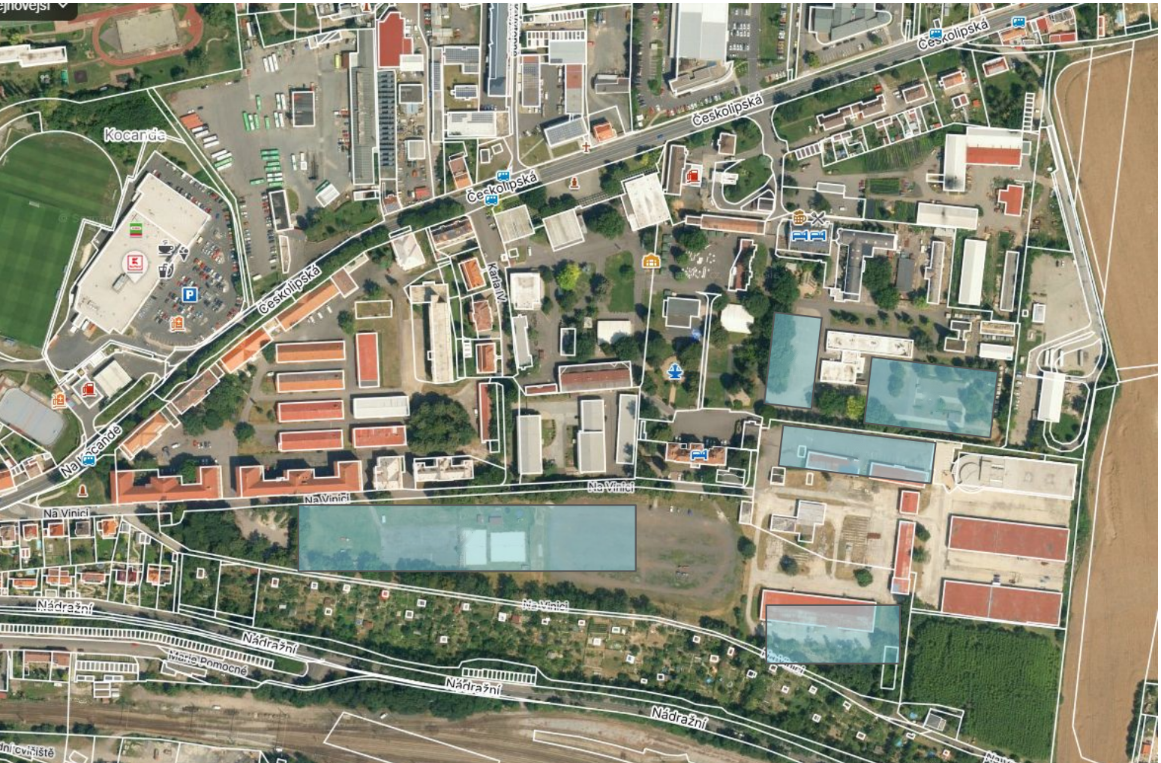
Litomerice, Czech Republic
Litomerice, in the Czech Republic, hosts RINGEN (Research Infrastructure for Geothermal Energy), a research facility connected to the town’s district heating network. The site combines solar thermal collectors, photovoltaic panels, an air-source heat pump and low-temperature BTES systems to investigate renewable heat generation and long-term thermal storage. In collaboration with the local heating company, RINGEN aims to integrate these technologies with green hydrogen production and waste heat recovery, supporting a more sustainable local energy system.
The USES4HEAT demonstration will expand the existing infrastructure with an additional BTES unit and solar thermal collectors, enabling the recovery of waste heat from a planned green hydrogen installation. The new high-temperature BTES system, operating at up to 95°C, will store surplus heat for use during winter, reducing the need for heat pumps to upgrade heat from existing low-temperature storage systems. This will improve energy efficiency, lower operating costs and reduce CO₂ emissions, particularly during winter when electricity prices and grid carbon intensity are typically higher.
The primary objective is to reduce energy costs and accelerate the decarbonisation of RINGEN and Litoměřice’s district heating network. The demonstration aims to store more than 1.5 GWh of heat and deliver up to 1.3 GWh annually, supporting a more flexible and sustainable heat supply through seasonal thermal energy storage.